Key Takeaways
Choosing between artificial grass and natural grass isn’t just about aesthetics, it’s about cost, maintenance, and long-term sustainability. With water restrictions, rising lawn-care expenses and eco-conscious homeowners leading the shift, it’s no surprise that more people are turning to artificial turf for an easier, greener solution.
This guide breaks down everything you need to know about artificial turf vs. natural grass, including how to estimate your installation cost using ProGreen’s Turf Cost Calculator.
Cost Comparison: Upfront vs. Lifetime
Artificial Grass
ProGreen’s cost calculator estimates the average cost of professionally installed artificial grass between $8–$15 per square foot, depending on the project’s size, access and chosen product line.
That includes the base prep, turf material, infill and labor.
While the upfront cost is higher than natural grass, artificial grass typically pays for itself within 3–5 years. Because you’ll eliminate mowing, watering, fertilizing and re-sodding costs, many homeowners see savings that reach into the tens of thousands over its 15–20 year lifespan.
Natural Grass
Sod installation or hydroseeding typically ranges between $1–$3 per square foot, but that’s just the start. Ongoing care such as water, mowing, fertilizer, weed control and equipment, adds up quickly.
ProGreen’s calculator illustrates that a 2,500-square-foot natural lawn can cost more than $39,000 over 15 years when factoring in maintenance and utilities. That’s nearly double the lifetime cost of artificial grass.
Tip: Use the calculator to enter your exact square footage and see how much you could save over time. It’s a great way to visualize the long-term ROI of turf vs. grass.
| Maintenance Task | Artificial Grass | Natural Grass |
|---|---|---|
| Mowing | None | Weekly or biweekly |
| Watering | Occasional rinse | 1–1.5 inches per week |
| Fertilizer / Chemicals | None | Regular applications |
| Weed & Pest Control | Minimal | Ongoing |
| Annual Costs | Very low | High |
| Lifespan | 15–20+ years | 3–5 years before re-sodding |
Artificial Grass
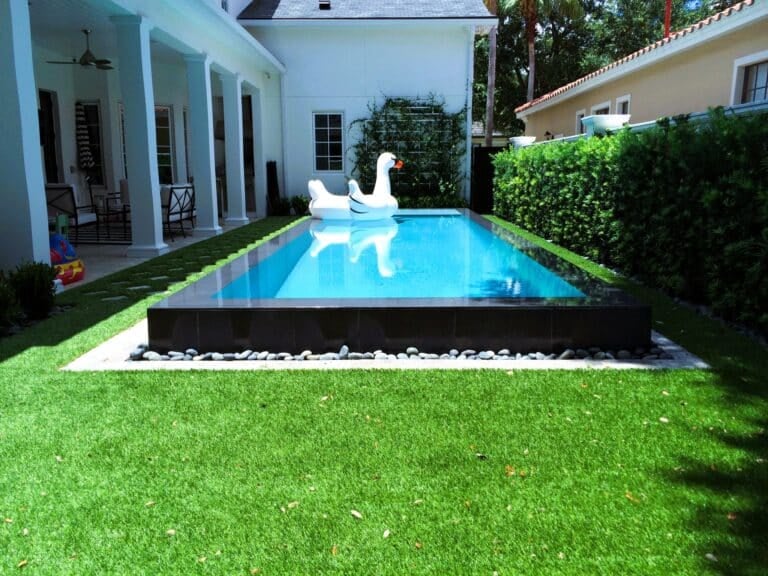
Artificial grass offers a “set it and forget it” approach. Occasional brushing, rinsing, or debris removal is all that’s needed to keep it looking pristine. No more mower fuel, irrigation schedules or lawn services.
For homeowners who travel often or manage rental properties, it’s the easiest way to maintain a beautiful, consistent landscape with minimal effort.
Natural Turf
Real grass requires ongoing attention such as weekly mowing, irrigation, seasonal fertilizing, aeration and weed control. These chores are time-consuming and can add hundreds of dollars per month to utility and maintenance bills.
In humid or drought-prone climates, grass struggles to stay healthy year-round, often requiring reseeding or patching.
Environmental Tradeoffs
Water Conservation
One of the biggest environmental advantages of artificial grass is water savings. A natural lawn can require more than 50,000 gallons of water annually, depending on climate. Artificial grass eliminates that need entirely, making it an ideal solution for drought-prone or water-restricted regions such as California, Arizona and the Southeast.
Fertilizers and Pesticides
Artificial turf eliminates chemical fertilizers, herbicides, and pesticides (all of which can run off into local waterways or expose pets and kids to toxins.) ProGreen’s infill systems are non-toxic, antimicrobial, and safe for children and pets, providing a cleaner and healthier outdoor environment.
Heat & Comfort
Artificial turf can retain more heat than natural grass, but ProGreen turf uses advanced cooling infills and lighter fibers to reduce surface temperature. For added comfort, consider partial shading or integrating natural landscape features.
End-of-Life & Sustainability
ProGreen is proud to manufacture lead-free, recyclable turf systems made in the USA. Many products use eco-friendly backings utilizing renewable materials: a growing focus within the turf industry that seeks to minimize landfill waste and support circular manufacturing.
Durability & Everyday Use
Artificial Grass
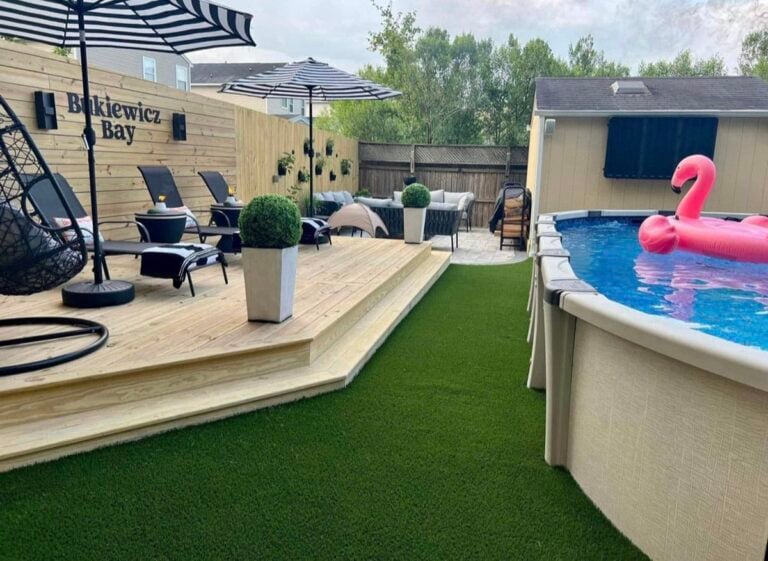
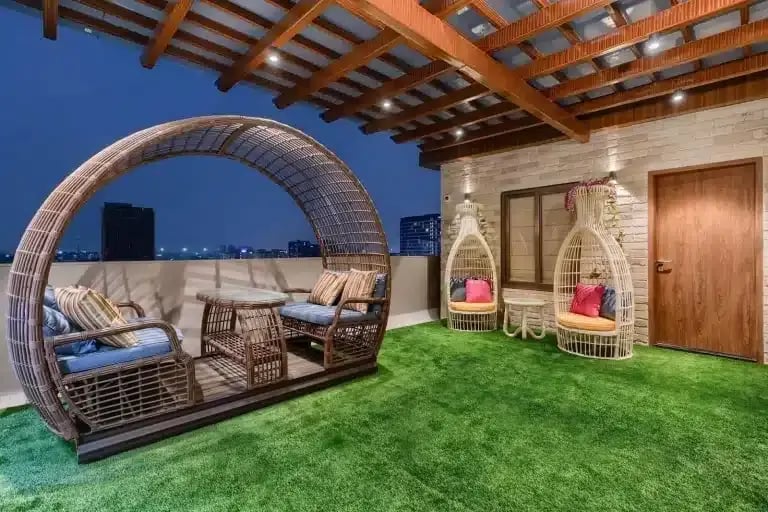
Artificial grass stands up to heavy use, pets and changing weather without fading. It’s perfect for high-traffic areas, backyards, sports fields, and pet runs - maintaining a clean, green appearance all year long. Rain drains through the permeable backing, eliminating muddy patches and puddles.
Natural Grass
Real grass offers a cool, soft feel and supports local biodiversity, but it’s more vulnerable to disease, pests and inconsistent growth. Under heavy traffic or heat, it quickly shows wear, requiring frequent reseeding or repairs.
10-year cost snapshot
| Category | Artificial Grass | Natural Grass |
|---|---|---|
| Installation Cost | $8–$15 / sq. ft. | $1–$3 / sq. ft. |
| Annual Maintenance | ~$150 | $2,000–$3,000 |
| Water Use (annual) | <5,000 gal | 50,000+ gal |
| Average Lifespan | 15–20 years | 3–5 years |
| 15-Year Total Cost | ~$20,000 | ~$39,000+ |
"We are over the moon with our ProGreen turf. The guys were super professional and left everything super tidy. We went from eyesore to awesome in two days.”
Melissa M.Atlanta, GA
“Everyone was so professional and very timely. I appreciated how thorough they were at the end of the job. We are extremely happy with the choices offered and the way our yard now looks!!! So real-like!! We love it!!!”
Annie G.Denver, CO
"Installation took 2.5 days total, team worked fast and efficiently to get everything demoed and installed without a hitch. Throughout the process they were communicative and supportive with my HOA’s requests."
Ian K.Orlando, FL
Make the greener choice for your home.