Key Takeaways
Spend enough time in places like South Carolina, Florida, California, or Georgia in August and you'll develop a healthy respect for the sun. The kind of respect that comes from touching a metal handrail at noon and immediately regretting it. The kind that makes a quick barefoot walk across the patio feel like an endurance sport.
When summer settles in and the sun starts cooking patios, driveways, and every exposed surface in sight, homeowners start asking the same question: Does artificial grass get hot?
Today's premium synthetic grass products incorporate advanced materials, cooling technologies, and specialized infill systems designed to help reduce heat buildup and improve comfort during the hottest months of the year. Whether you're planning a pet-friendly yard, a poolside retreat, an outdoor entertainment space, or a low-maintenance lawn that can handle relentless sunshine, choosing the right turf makes all the difference.
Let's take a closer look at what makes artificial turf heat resistant and how to select the best option for your climate.
Does Artificial Grass Get Hot?
One of the most common questions homeowners ask is whether artificial grass gets hot during the summer.
The short answer is yes; artificial grass can become warm when exposed to direct sunlight for extended periods. Just like decking, concrete, natural stone, and other outdoor surfaces, synthetic turf absorbs solar energy throughout the day.
However, the conversation is more nuanced than a simple yes or no.
Some turf materials naturally retain more heat than others. Lower-quality products often use fibers that absorb and hold heat longer, creating warmer surface temperatures during peak sunlight hours.
Modern artificial turf systems, on the other hand, are engineered with heat management in mind. Advanced fiber technologies, reflective pigments, cooling infills, and specialized blade designs can help reduce surface temperatures and improve overall comfort.
It's also important to remember that artificial turf is often cooler than many common outdoor surfaces, including:
- Concrete patios
- Asphalt driveways
- Pavers
- Rubber surfaces
For homeowners in warm climates, selecting the right turf product is one of the most effective ways to improve outdoor comfort year-round.
What Makes Artificial Turf Heat Resistant?
Heat resistance is usually the result of several factors working together. Better materials. Smarter engineering. Thoughtful installation. A little science. A little common sense.
And like most things in life, the details matter.
Turf Material Technology
The materials used to manufacture synthetic grass can significantly impact heat retention. Modern turf products often use advanced polyethylene fibers that remain softer and more comfortable under sunlight than older synthetic materials. Higher-quality turf systems are engineered to balance durability, appearance, and temperature performance.
UV Resistant Turf Fibers
Sunlight is relentless. Day after day, year after year, it quietly works on every surface it touches. Paint fades. Wood weathers. Fabrics break down. That's why UV resistance matters.
UV-resistant turf fibers help protect against:
- Fading
- Fiber degradation
- Premature wear
- Reduced performance over time
The benefit is that the turf continues performing the way it was intended years down the road, even after countless summers under direct sun.
Cooling Technology
This is the category that gets the most attention, and for good reason. Modern turf manufacturers have invested heavily in technologies designed to improve temperature performance, specifically for hot climates.
Examples include:
- Reflective fiber technologies
- Heat-reducing yarn systems
- Specialized cooling infills
- Improved airflow within turf systems
These innovations help reduce heat absorption and improve comfort during warmer months.
Turf Color Selection
Darker shades generally absorb more heat, while lighter green blends can reflect a greater portion of incoming sunlight. Although aesthetics often drive color choices, selecting a lighter natural-looking turf can contribute to cooler surface temperatures.
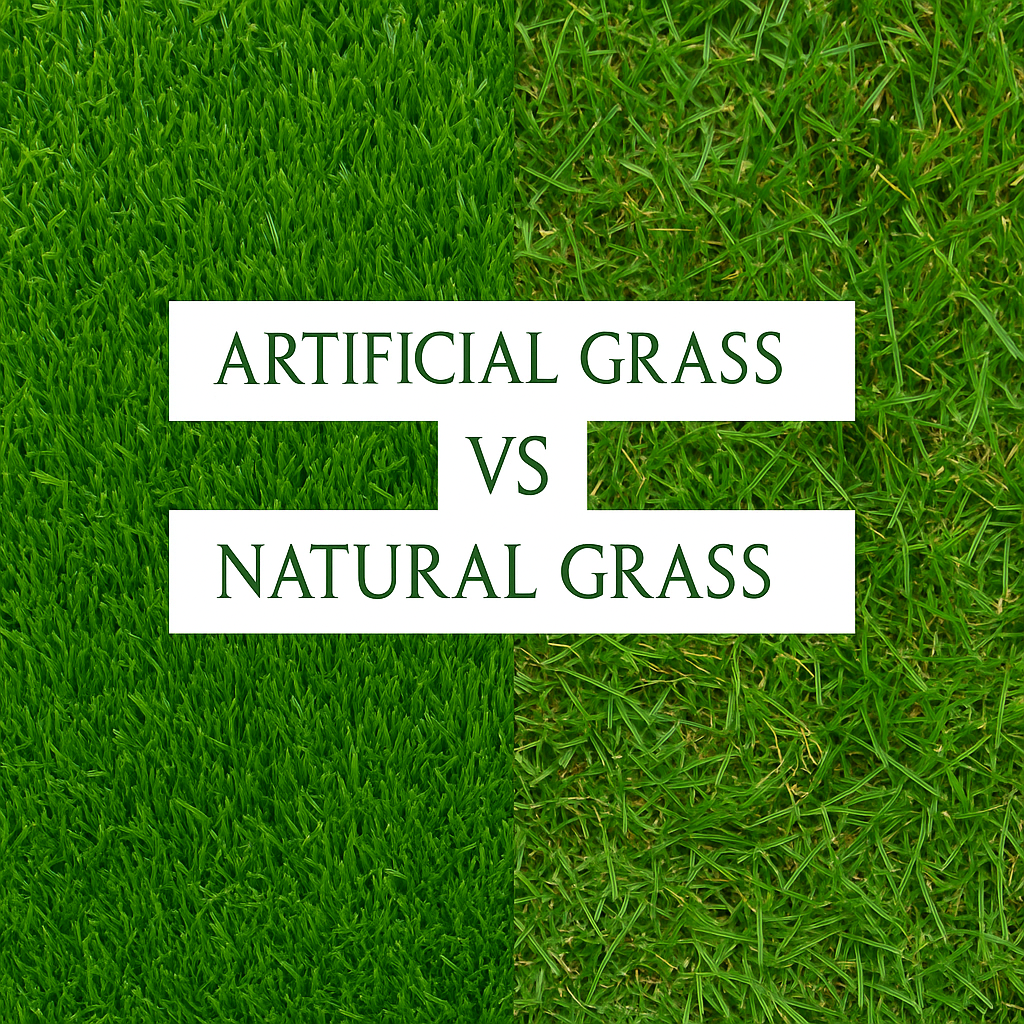
If you're curious about how artificial turf compares to natural grass in terms of temperature, read our guide Is Synthetic Grass Warmer Than My Natural Lawn?
.png?width=768&height=630&name=artificial%20grass%20pool%20(2).png)
Best Heat Resistant Artificial Turf Options
Choosing artificial grass for a hot climate isn't about finding a single "best" product. It's about matching turf characteristics to the way you'll use your outdoor space.
Best Artificial Turf for Full Sun Backyards
A backyard that receives sunlight from sunrise to sunset creates a unique set of demands.
Look for:
- UV-resistant fibers
- Cooling technologies
- Durable construction
- High-quality polyethylene materials
These features help improve comfort and long-term performance, despite constant exposure to sunlight.
Best Turf for Desert Climates
Desert regions present unique challenges.
Ideal desert-climate turf typically includes:
- Heat-resistant fiber technology
- Enhanced UV protection
- Efficient drainage systems
- Durable turf construction
Proper installation becomes especially important in desert applications, as airflow and base preparation directly affect overall performance.
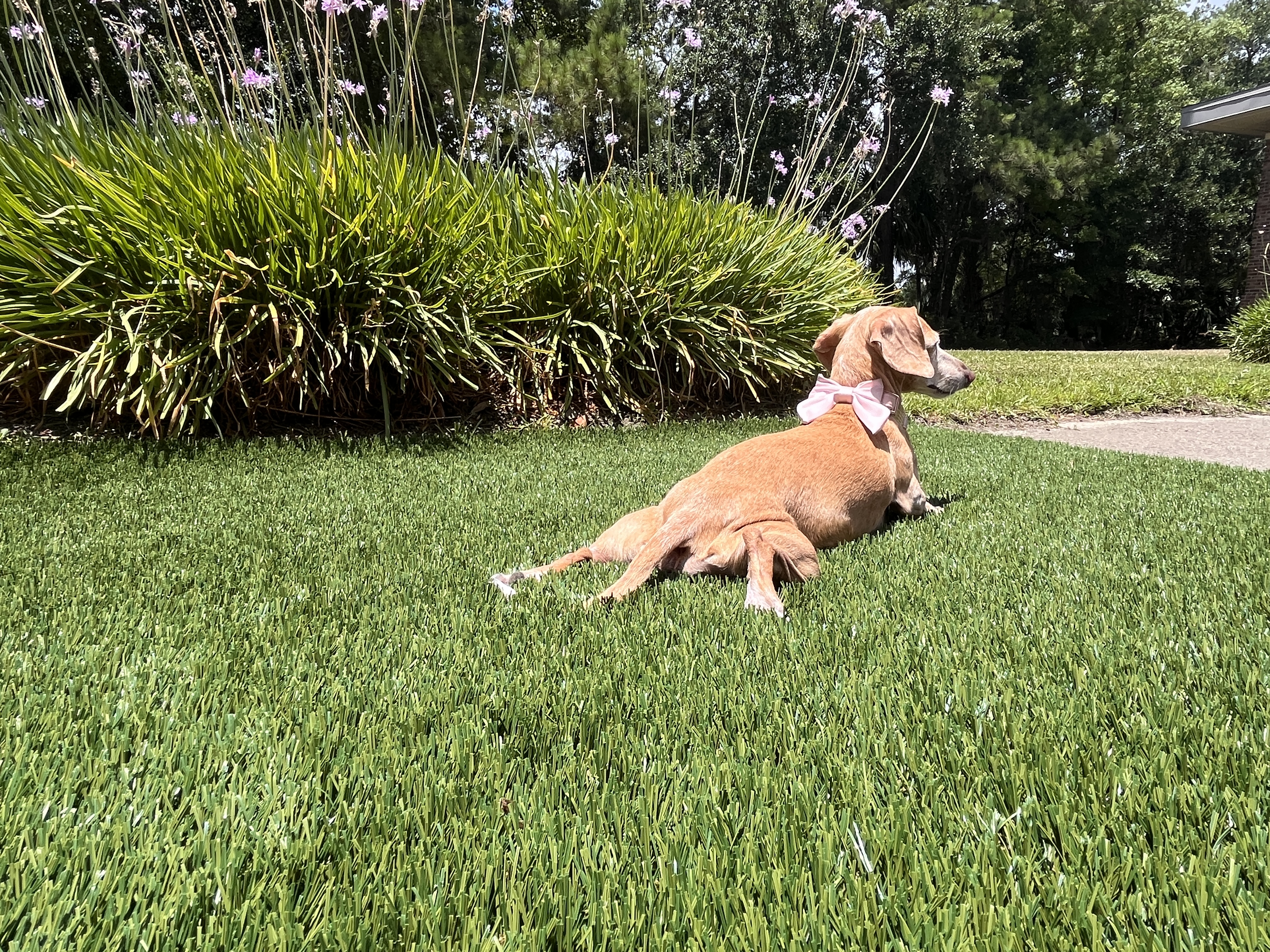
Best Artificial Grass for Pets in Hot Weather
Dogs, unlike homeowners, don't always have the good sense to avoid the hottest part of the day. Which means comfort becomes especially important.
The best turf systems for pets often feature:
- Fast drainage
- Antimicrobial infill options
- Durable fibers resistant to wear
- Pet-safe materials
Proper maintenance and occasional rinsing can also help keep pet areas cooler during hot weather.
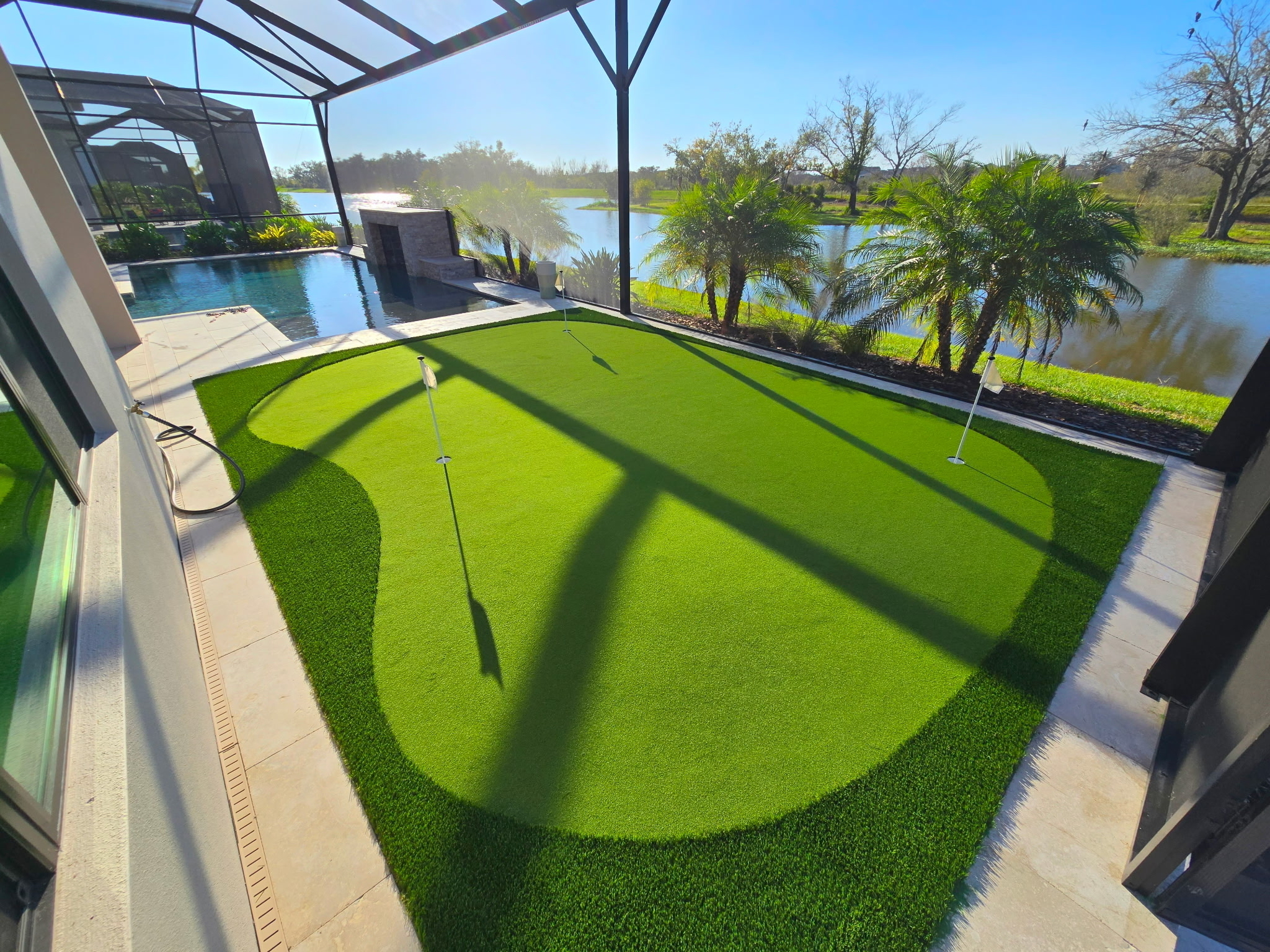
Best Turf for Pool Areas and Outdoor Living Spaces
Pool decks and entertainment spaces often combine direct sun exposure with heavy foot traffic.
Homeowners should focus on:
- Comfortable surface texture for bare feet
- Heat-resistant fibers
- Easy maintenance
- Natural aesthetics that complements surrounding hardscapes
These spaces benefit from turf systems designed specifically for outdoor living environments. And unlike concrete, it tends to be far more forgiving when somebody inevitably decides to sprint toward the pool.
How to Keep Artificial Turf Cooler in Summer
Even the best turf products benefit from smart design and heat management strategies.
Use Cooling Infill: Cooling infills are engineered to retain moisture longer and improve heat dissipation, helping create a more comfortable surface during hot weather. They can be especially beneficial in hot climates with prolonged sun exposure.
Rinse Turf with Water: A quick spray from a garden hose can temporarily lower surface temperatures and provide immediate cooling. This approach is especially useful before outdoor gatherings, children's playtime, or pet activity.
Add Shade Structures: Few things beat shade, and strategic shade can dramatically improve comfort.
Consider:
- Pergolas
- Shade sails
- Covered patios
- Trees and landscaping
Choose Lighter Colored Turf: Lighter shades may absorb less heat and provide improved temperature performance.
Select High-Quality Turf Materials: The materials matter. Premium turf products often incorporate advanced cooling technologies and higher-performance fibers that outperform budget alternatives in warm-weather environments.
Ensure Proper Installation: Installation quality affects everything from drainage to airflow. A professionally prepared base allows moisture to move efficiently while supporting long-term turf performance and comfort.
Artificial Turf vs. Concrete and Natural Grass in Hot Climates
When evaluating outdoor surfaces, homeowners often compare artificial grass with natural grass and hardscape materials.
| Feature | Artificial Turf | Natural Grass | Concrete |
|---|---|---|---|
| Surface Temperature | Moderate | Coolest | Hottest |
| Maintenance | Low | High | Low |
| Water Usage | Minimal | High | None |
| Pet & Child Comfort | High | High | Poor |
| Durability | Excellent | Moderate | Excellent |
| Year-Round Appearance | Consistent | Seasonal | Consistent |
While natural grass can remain cooler under ideal conditions, it often requires substantial irrigation, fertilization, mowing, and maintenance to maintain that performance, especially in drought-prone regions. Artificial turf offers significant advantages between comfort, durability, appearance, and water conservation.
How to Choose the Best Artificial Turf for Your Climate
There isn't a universal "best" turf. There's only the best turf for your situation.
Local Temperatures: A homeowner in coastal California faces different conditions than someone living in South Carolina. Regions with prolonged heat should prioritize cooling technologies and UV-resistant materials.
Sun Exposure: A fully exposed backyard will have different requirements than a partially shaded landscape.
Backyard Usage
Consider how the space will be used:
- Family recreation
- Weekend Entertaining
- Pets
- Relaxation
- Sports activities
Pet Activity: Active dogs create additional wear and may benefit from turf systems that combine cooling performance with durability.
Pool Areas: Poolside installations should emphasize barefoot comfort, rapid drainage, and heat management.
Foot Traffic: High-traffic areas need durable turf fibers capable of maintaining appearance under constant activity.
Desired Maintenance Level: Some turf systems are designed for maximum realism, while others prioritize durability or specialized applications.
Climate Considerations by Region: Homeowners in warmer regions often benefit from turf products specifically designed for higher temperatures.
For example:
- South Carolina: Humid summers and intense sun exposure
- California: Diverse climates ranging from coastal to desert conditions
- Georgia: High humidity combined with strong summer heat
- Florida: Heat, humidity, and frequent rainfall
Find the Right Heat Resistant Artificial Turf for Your Climate
Most homeowners don't start researching artificial turf because everything is going perfectly.
Usually there's a problem they're trying to solve.
A lawn that's struggling through another summer. A backyard that's become more work than enjoyment. A landscape that looks great in spring and exhausted by August.
By combining advanced materials, thoughtful design, and professional installation, today's heat-resistant turf systems make it possible to create outdoor spaces that stay attractive, functional, and enjoyable throughout the year. At ProGreen, we help homeowners, businesses, and landscape professionals find artificial turf solutions designed to perform in a wide range of climates, from scorching desert heat and sunny pool decks to pet-friendly backyards and high-traffic outdoor living spaces.
Ready to find the right heat-resistant resistant artificial turf for your property? Contact ProGreen today to explore turf solutions made for comfort, durability, and year-round performance.